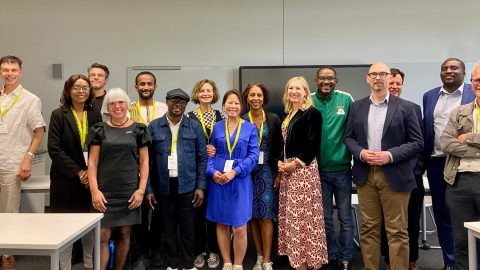

To translate the Africa Charter into practical action, the Charter’s Core Facilitating Team – Perivoli Africa Research Centre (PARC) at the University of Bristol, Institute for Humanities in Africa (HUMA) at the University of Cape Town (UCT) and the Chief Albert Luthuli Research Chair at the University of South Africa (UNISA) – convened a series of working groups with key stakeholders. These groups bring together high-level representatives from across the research ecosystem to define the specific policy changes, priorities, and actions needed to foster more equitable research partnerships within their sectors.
To truly address the imbalances in the global research ecosystem, the Africa Charter must translate into bespoke action plans for the groups that most powerfully influence what kind of research collaborations are valued and pursued.
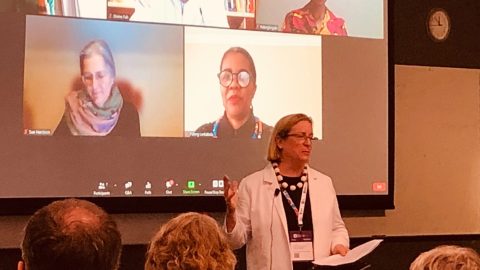
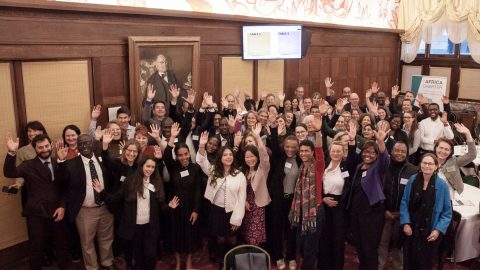
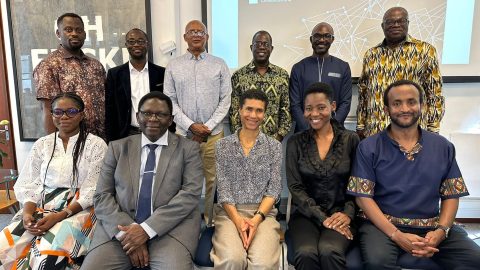
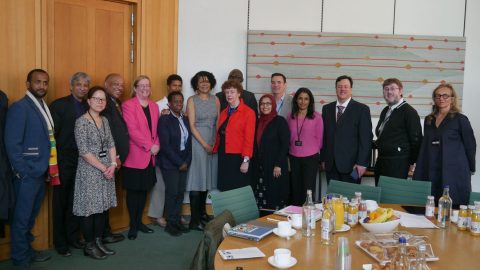
As part of the next stage of the Charter’s development, the team convened a first set of discussions with high-level funder, publisher, higher education institution and research assessment stakeholders, to explore the possibility of a structured process for determining what specific changes their sector will need to make – in terms of policies, priorities and practical action – to incentivise and promote transformative research partnerships with Africa.
Concretely, this could mean, for example, changes to the criteria that publishers and research assessment bodies use to determine what is good, excellent or impactful research; to the conditions that funders place on calls; to reward and promotion criteria or to research management regulations within universities. We are planning reviews of the landscape of existing policy architectures to identify already existing positive approaches and help pinpoint specific areas for change.
Building on insights arising from the initial meetings in February and March, designs for structured working group processes of review and reflection will be co-developed with the stakeholders in each sector.